BPC-157 cytoprotection begins with the stomach
The oddity is the range: a gastric fragment studied in ulcers, cut tendons and organs damaged by illness elsewhere.
Cytoprotective means protective of cells and tissue
Cytoprotection means protection of cells and tissues from injury; cytoprotective describes that effect. The older stomach framework asked whether the lining could be protected without simply reducing stomach acid. BPC-157 research carries that tissue-protection question beyond the stomach.
The appeal is easy to understand. A protective mechanism could connect apparently unrelated injuries. I prefer that as a research question to a catalogue of illnesses the peptide supposedly treats. The 2025 review of musculoskeletal research makes the central limit clear: broad preclinical support, very little human evidence.
The search spelling cyto-protectin can obscure the subject. Here the subject is cytoprotection. A cytoprotective therapy is a treatment intended to protect tissue; that description does not establish BPC-157 as a proven therapy for people.
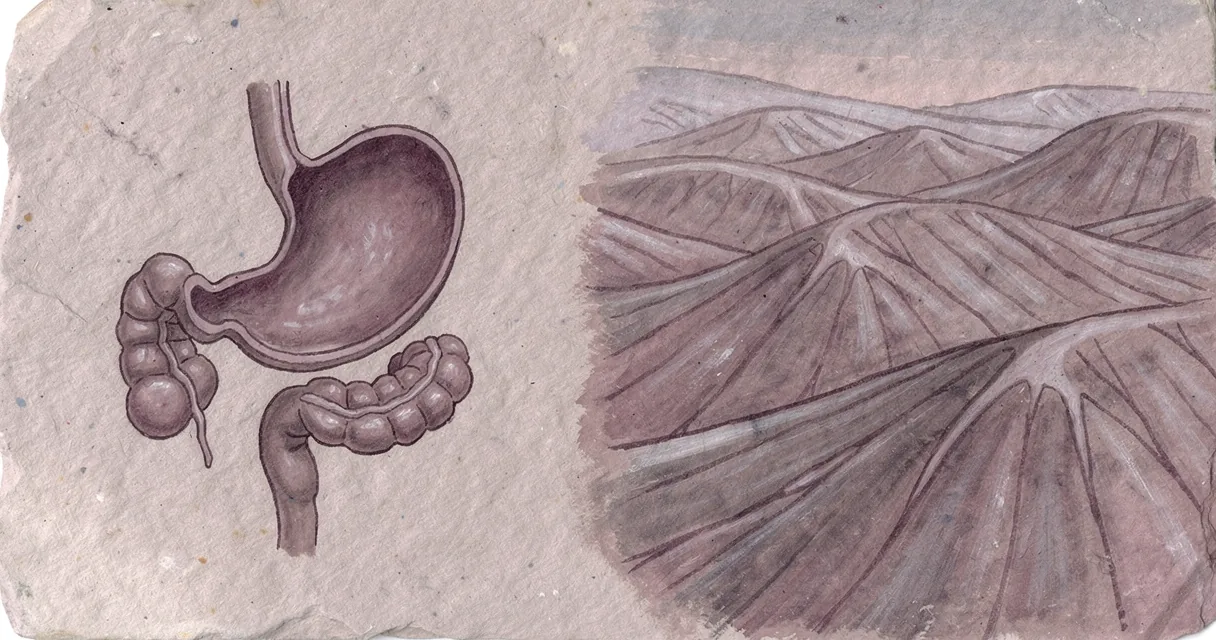
The ulcer experiment measured tissue, not a feeling
The 2004 gastric-ulcer paper studied Wistar rats. It reported an ulcer-formation inhibition ratio of 45.7-65.6% at higher doses, with accelerated rebuilding of glandular epithelium and granulation tissue. The latter is the new tissue that forms during healing.
Intramuscular delivery outperformed intragastric delivery in that experiment. This matters to the BPC-157 oral discussion: reported stability in gastric juice supplies a reason to investigate the stomach route. Human efficacy for a swallowed preparation remains unproven.
I take the measured tissue changes seriously. The species stays attached to them.
A severed tendon makes a demanding test
In the 2003 rat Achilles study, the tendon was completely cut through. Recovery improved across mechanical strength, function and microscopic appearance, and the accompanying cell work reported tendocyte outgrowth.
The agreement between those measures earns my respect. It asks whether the tissue looks better and whether it performs better. It still concerns injured rats and cells; clinical tendon recovery in people remains a separate question, and the human knee-pain report measured a different outcome.
Why blood vessels belong in this file
The VEGFR2 study used chick tissue, rat hindlimb ischemia and cultured human vascular endothelial cells—the cells lining blood vessels. BPC157 increased VEGFR2 expression and promoted the receptor's movement into the cell, with downstream Akt-eNOS signaling. Vessel density increased, and blood flow recovered faster in ischemic rat muscle. Inhibiting endocytosis blocked the reported effects.
Of the mechanism work, I place particular weight on that intervention: the experiment disturbed a proposed mechanism and the effect disappeared. Human cells in a dish remain cell evidence. They are not people treated successfully.
Nitric oxide helps govern vessel tone, and the 2025 review of angiogenesis and nitric-oxide-mediated damage proposes that system as another link between the findings. This explanatory account concerns preclinical work and supplies no clinical result.
Distant organs make the claim broader, not more clinical
A 2025 acute-pancreatitis experiment in rats reported less liver, kidney and lung damage after injury originating in the pancreas. A 2026 rat fistula study reported resolution of a tracheocutaneous fistula, an abnormal opening between windpipe and skin, with nitric-oxide-system involvement.
These are specific models of injury. I resist calling them general organ health: the model is doing too much work for that phrase. Breadth also makes replication more important, particularly because the review flags how much foundational work comes from one group.
The kidney questions return to that distinction. The finding of less damage concerns rats with acute pancreatitis; treatment for human kidney disease remains unproven.